Capri Excursions by Boat: A Day Worth Taking Slowly
26 October 2026
Do Private Boats Have Shade on the Amalfi Coast?
30 October 2026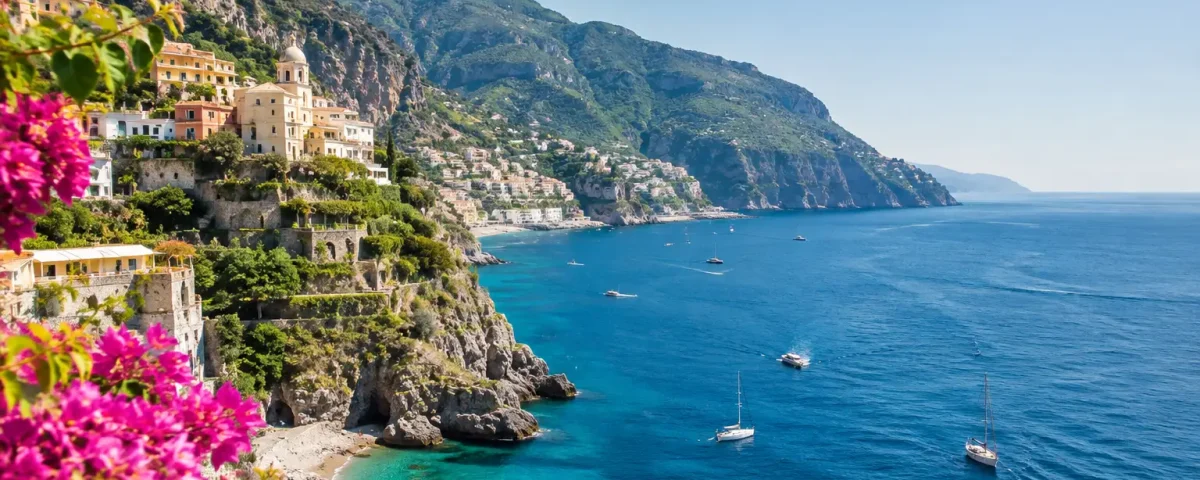
From Positano’s vertical shoreline, the water can look like polished glass in the morning and feel completely different by late afternoon. Amalfi Coast sea conditions are part of what makes a day by boat so memorable: the shifting light, the fresh breeze beyond the headlands, and the feeling of arriving at a quiet cove that cannot be reached from the road. They also deserve a little practical attention when you are planning a private excursion, especially if comfort, swimming, or a Capri crossing is high on your wish list.
The good news is that much of the main travel season brings beautiful boating weather. The wiser approach is not to chase a single “best” month, but to match the experience you want with the character of the sea at that time of year. A local skipper reads the coast differently than a weather app does, taking account of wind direction, swell, sheltered routes, and the needs of everyone onboard.
Amalfi Coast Sea Conditions by Season
Spring: Fresh air, clear horizons, changing moods
April through early June is a lovely period for travelers who want the coast before summer reaches its busiest rhythm. On calm days, visibility can be spectacular, the hillsides are bright with green, and the water has a crisp blue clarity that makes every limestone cliff feel more dramatic.
Spring is also changeable. A bright morning does not always guarantee a flat afternoon, and the sea temperature is still cool, particularly in April and early May. Many guests are happy to swim from late May onward, while others prefer to admire the coves from the deck until the water warms. If your ideal day includes long swim stops, June is often a more comfortable choice than early spring.
For private boating, this is where flexibility shines. Rather than forcing a fixed route, a skilled skipper can favor protected stretches of coast, linger where the water is calmest, or adjust timing to make the most of the day. The route from Positano toward Nerano, for example, may offer a gentler alternative when conditions are less inviting farther offshore.
Summer: The classic season for swimming and Capri days
From June through September, the Amalfi Coast is at its most vibrant from the water. The sea is generally warm, swimming is easy to build into the day, and long daylight hours leave room for an unhurried cruise, a stop for lunch, and time floating beneath the cliffs. July and August are usually the warmest months both above and below the surface.
Summer does not mean the sea is always perfectly flat. Thermal breezes often build during the day, and the open passage toward Capri can feel livelier in the afternoon than it did at departure. This is normal Mediterranean boating, not necessarily a reason to cancel plans. It simply makes departure time, boat choice, and routing more meaningful.
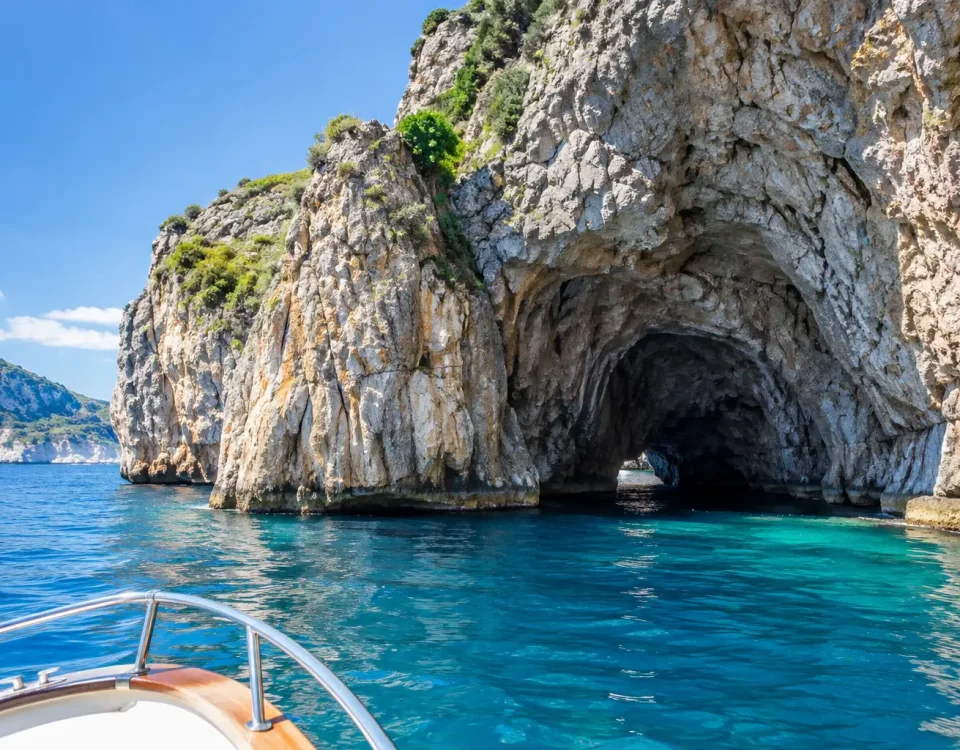
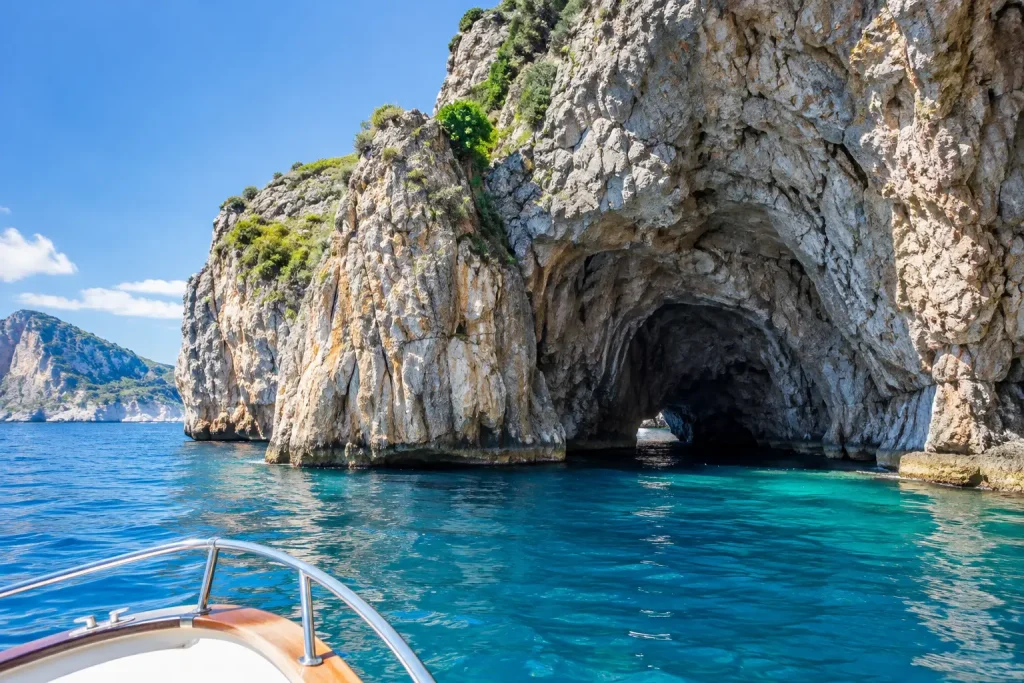
Morning departures are especially rewarding for guests who value smoother water, quieter swim spots, and photographs taken before the strongest midday light. An early start can also help you enjoy iconic places such as Li Galli, the coastline around Praiano, or Capri’s sea caves before marine traffic becomes busier.
August is magical but active. The water is wonderfully warm, yet popular anchorages and waterfront restaurants are in high demand. A private experience gives you more room to shape the rhythm of the day, but restaurant reservations and a realistic plan remain worthwhile. Luxury on the Amalfi Coast is often less about racing to see everything and more about having the freedom to pause when a beautiful moment appears.
Fall: Warm water and a softer pace
September is often a favorite among travelers who know the coast well. The sea has absorbed the summer heat, the days remain bright, and there can be a welcome softness in the air after peak season. Early fall can be superb for swimming, snorkeling, sunset cruises, and longer itineraries that combine the Amalfi Coast with Capri or Sorrento.
By October, conditions become more variable. There are still glorious days when the sea is calm and luminous, but weather systems can bring rain, wind, and a more pronounced swell. This is a wonderful time to keep your plans open and let the day’s conditions guide the route. A sheltered cruise with a scenic lunch can be every bit as special as a full open-water crossing.
Winter: Beautiful to see, selective for boating
From November through March, the coast becomes quieter, more intimate, and more weather-dependent. Winter seas can be calm and astonishingly clear, but stronger winds and larger swells are more likely than in summer. Some seasonal waterfront venues and services also operate on reduced schedules.
For visitors with flexible dates, a favorable winter day can offer a strikingly private perspective on the coastline. Still, this is not the season to plan around guaranteed swimming or a rigid offshore itinerary. Safety and comfort always come first, and a responsible captain may recommend postponing, shortening, or rerouting an outing when conditions call for it.
What Actually Shapes the Sea?
Wind direction matters more than many first-time visitors realize. The Amalfi Coast faces south and southwest, with dramatic promontories, bays, and islands creating pockets of shelter as well as exposed passages. A breeze that barely affects one stretch of water may create noticeable chop around another headland.
Swell is different from local wind. It can arrive from distant weather and produce a rolling motion even under blue skies. This is one reason the view from a hotel terrace is not a complete picture of how a ride to Capri will feel. Your skipper considers the forecast, real-time observations, harbor conditions, and the specific route before making a recommendation.
Boat traffic also changes the experience, particularly in high summer. Passing vessels create wakes, and popular areas can feel busier around midday. Larger, well-designed boats generally provide a more stable ride than smaller open craft, though no boat removes all motion from the sea. For a relaxed day, choosing the right vessel for your group and setting expectations honestly matters more than choosing a boat based on photographs alone.
Planning for Comfort, Not Just Good Weather
If anyone in your group is prone to motion sickness, mention it before booking. This does not mean boating is off the table. It means the experience can be planned thoughtfully: choose a morning departure, avoid an unnecessarily long open-water route, eat lightly before departure, stay hydrated, and take motion-sickness medication only according to your doctor or pharmacist’s guidance.
The position onboard can help, too. Sitting closer to the center of the boat usually feels steadier than sitting at the bow, where the movement is more noticeable. Looking toward the horizon is often more comfortable than focusing on a phone or camera screen. A gentle breeze and a shaded place to sit can make a significant difference on a warm day.
For swim-focused outings, ask about water temperature as well as weather. The air may be warm enough for sunbathing while the sea still feels brisk in May or after a period of unsettled weather. Towels, freshwater rinses, and time to warm up in the sun turn a quick dip into a far more enjoyable part of the experience.
When the Route Needs to Change
The most memorable private boat days are not always the ones that follow a script. Perhaps the Capri crossing is not comfortable that morning, but the sheltered coast toward Nerano is sparkling and calm. Perhaps a planned grotto stop has a queue or restricted access, while an unexpected cove offers perfect water for a swim. The coast rewards guests who leave room for local knowledge.
At Sea Living, this is the value of being hosted by skippers who know these waters personally. The goal is never to push through conditions just to check an itinerary item off a list. It is to find the best version of the day available: a quiet swim beneath the cliffs, a leisurely lunch reached by sea, a smooth ride along Positano at golden hour, or a sunset return with the coast glowing behind you.
A Quick Check Before You Leave the Dock
Weather forecasts are useful, but they should be checked close to departure and interpreted with your operator. Ask whether the route is expected to be smooth, moderate, or bumpy; whether swimming conditions look inviting; and whether any stops may need to change. Those simple questions give you a clearer picture than a generic sun icon on a phone screen.
Pack a light layer even in summer, because wind can feel cool once the boat is moving. Bring sunscreen, sunglasses, and a hat that will stay secure. Most of all, bring a little flexibility. The Amalfi Coast is not a theme park with fixed conditions. It is a living shoreline, and when you let the sea set the pace, it often gives you the kind of day you will remember long after the tan fades.